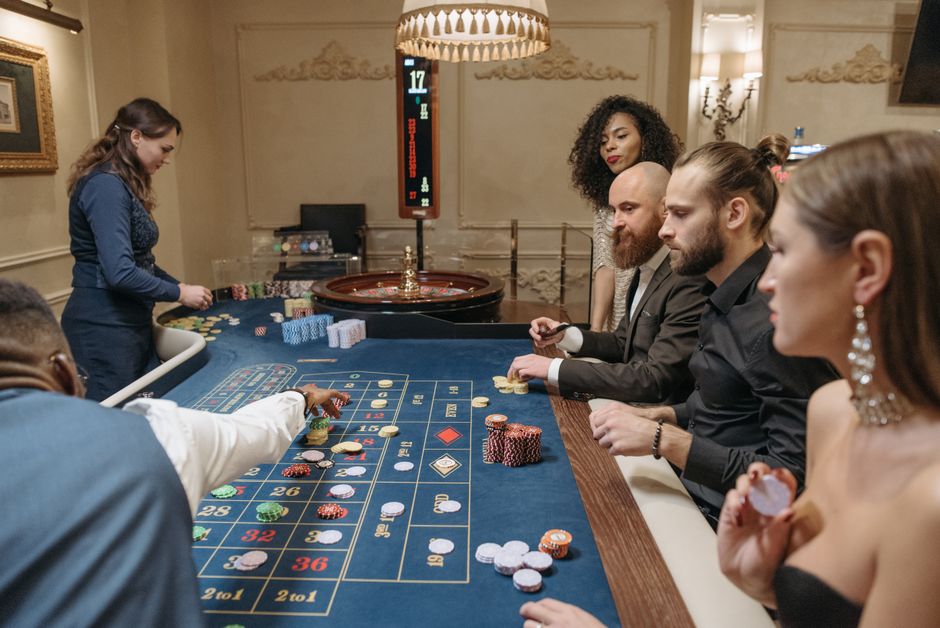
You sit down at the machine. The lights are flashing, the sound design is ramping up, and the reels are spinning just fast enough to make you feel like the next pull is the one that changes everything. It is the classic casino experience, and it is designed with one goal in mind: to keep you seated, entertained, and spending. But strip away the neon and the chimes, and what is actually happening on that screen? If you are going to spend your hard-earned cash in the iGaming world, you owe it to yourself to understand the math behind the magic. This is not about luck or superstition; it is about probability, volatility, and knowing exactly when to walk away.
The first step to playing slots with any degree of intelligence is accepting a hard truth: the outcome of every single spin is completely independent of the last one. Modern digital slot machines, whether they are in a physical casino or on an online platform, use a Random Number Generator (RNG). This algorithm is constantly generating thousands of numbers per second, and when you hit that button, it freezes on one configuration. It does not care if you have lost ten times in a row. It does not care if you just won the jackpot. The machine has no memory.
This is where the concept of volatility comes into play, and it is arguably more important than the return-to-player (RTP) percentage. A high-volatility slot (like Book of Dead or Money Train 3) might have a lower hit frequency, meaning you will lose more spins in a session. However, when you do hit, the payouts can be massive—potentially 10,000x your stake or more. Conversely, a low-volatility slot (like Starburst or Blood Suckers) will give you frequent, smaller wins, keeping your balance steady but rarely delivering a life-changing payout. Choosing the right volatility is about matching the game to your bankroll and your temperament, not just chasing the biggest jackpot. See kết quả bóng đá for a side-by-side comparison.
Most players treat their casino deposit like a lottery ticket. They put in $50, spin until it is gone, and leave. That is not a strategy; that is a donation. To survive the variance, you need a structured bankroll management plan. Here is a simple framework that works for both online slots and live dealer games:
This approach does not guarantee a win, but it guarantees you stay in the game long enough to experience the volatility curve.
There is a reason why professional iGaming enthusiasts often hate the phrase "gambling" when applied to poker. Slots are a game of pure chance. Poker, whether it is Texas Hold'em or Omaha, is a game of skill, psychology, and incomplete information. If you approach the poker table with a slot-machine mindset, you will lose your stack to the first patient player who joins the table.
In poker, the goal is not to play hands; it is to make correct decisions. A winning player folds the vast majority of hands they are dealt. They understand pot odds, position, and implied odds. For example, if you are holding a flush draw on the turn, you need roughly 4-to-1 pot odds to call a bet. If the pot is $100 and your opponent bets $50, you are only getting 2-to-1. Mathematically, you should fold, even if you 'feel' the river is coming. The long-term profit comes from exploiting players who call too much and fold too little.
One of the biggest bankroll killers in both slots and poker is tilt—the emotional state where you make irrational decisions because you are frustrated. You just lost three buy-ins in a poker tournament, or you just missed a 500x multiplier on a slot by one symbol. The urge to increase your bet size to "win it back" is overwhelming. In that moment, you are no longer playing the odds; you are playing your emotions. Recognise the signs: racing heart, rapid clicking, anger at the screen. When you feel tilt creeping in, close the session. No game is profitable when you are angry.
Casinos are designed to make you feel like you are almost winning. Near misses on slots (where the jackpot symbol lands just above the payline) actually trigger the same dopamine response in your brain as a real win. This is deliberate. In land-based casinos, you will also see players standing up to "test" a different machine because they believe the old one is "cold." This is known as the gambler's fallacy. The RNG does not know which machine you are playing, and it certainly does not care about your lucky chair.
The only real edge you have in a casino environment is your own discipline. You cannot control the cards or the reels. You absolutely can control your bet size, your time limit, and your decision to quit while you are ahead. For online slot players, take advantage of bonuses, but always read the terms. A 40x wagering requirement on a $100 bonus means you have to wager $4,000 before you can withdraw a single cent. That is a steep hill to climb, even on an RTP of 96%.
The landscape is shifting rapidly. We are seeing the rise of crash games like Aviator, which introduce a skill element to the instant-win format (you need to cash out before the plane flies away). We are seeing AI-driven personalised game recommendations and live-streamed slots where you can interact with a host and other players in real-time. But no matter how the technology evolves, the core principles remain unchanged. The house always has an edge—a built-in mathematical advantage that ensures profitability over millions of spins.
That is not a doom-and-gloom statement; it is a reality check. The best you can do is slow-play your bankroll, exploit bonuses, improve your poker reads, and treat the whole thing as an expense for entertainment. If you walk away with more money than you started with, fantastic. If you don't, you should still walk away knowing you played smart, managed your risk, and didn't let the machine dictate your mood.

A practical guide to digging, edging and compacting a durable gravel path and seating pad around a garden bench,...

Practical ways to cut the workload in a small British garden, from gravel and raised beds to evergreen structure,...
Yellow leaves, soggy compost and straggly growth usually trace back to a handful of container-care mistakes. Here's...

Gardening wisdom for your outdoor space..
