A small garden is easy to design and hard to keep. Every weed is visible from the kitchen window, every gap in the planting shows, and an hour with the strimmer barely touches the sides. The fix is not to work harder. It is to build a garden that mostly looks after itself: fewer edges, denser planting, and hard-working evergreens doing the job that bedding plants never will. None of this needs a contractor or a big budget. It needs a decision about what you are genuinely willing to do each week — twenty minutes with a hoe, perhaps — and then surfaces and plants chosen to suit that.
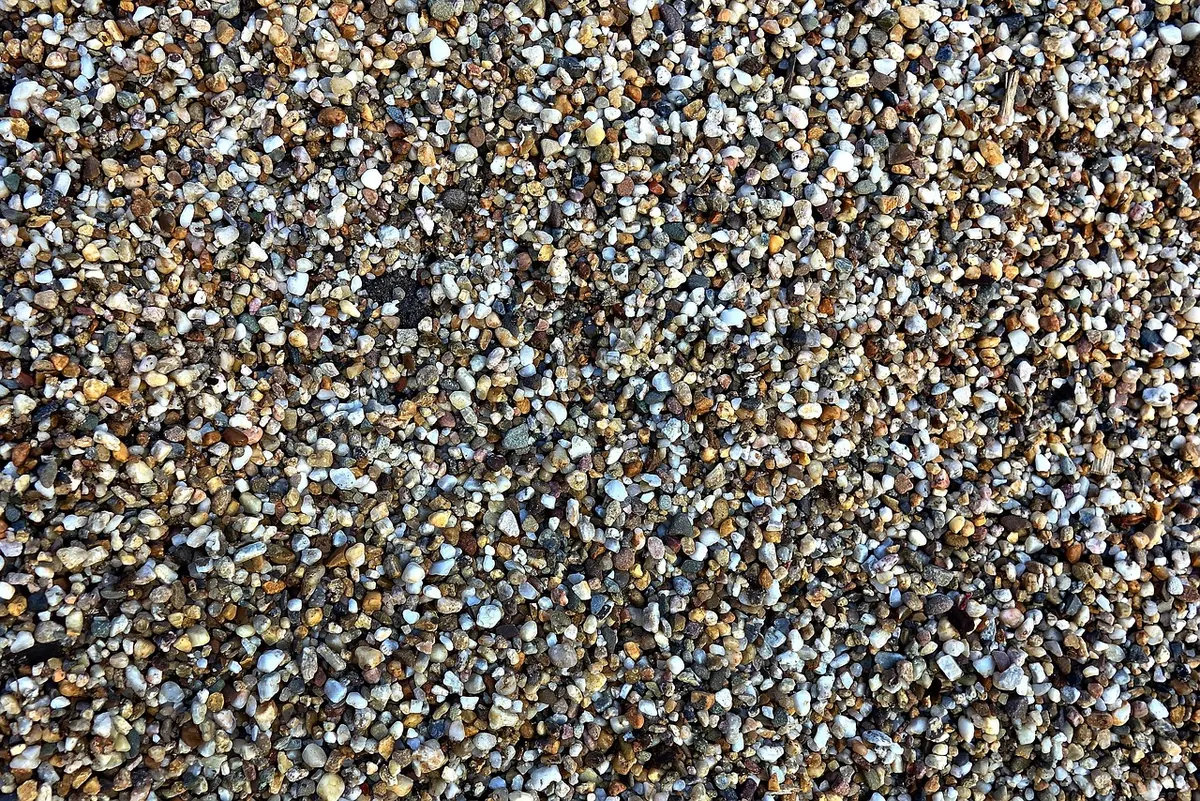
Hard surfaces cut work. A paved seating area or a gravel path needs an occasional sweep, not a weekly cut. Gravel is cheap, forgiving and quick to lay. For a path, use a self-binding gravel or a 10–20mm angular stone over a compacted sub-base; round pea shingle is pleasant underfoot but migrates into borders and across paving. For a gravel garden, spread 5–7cm over the soil and plant straight through it.
A woven geotextile membrane under a path helps suppress weeds, but think twice about using one across a planted area — it makes dividing perennials and adding bulbs a nuisance later. Where gravel meets soil or grass, an edge of steel or brick is worth the money, because every loose stone ends up in the lawn otherwise. Most importantly, design fewer and larger beds. A simple curve costs far less time over a year than a scalloped border, because every metre of edge is a metre to trim.
Raised beds solve two problems at once: poor soil and backache. Build them 30cm deep for salads, herbs and most vegetables, and 45cm for carrots, parsnips and anything with a long taproot. Fill with a mix of topsoil and well-rotted compost, then top up each spring rather than replacing the lot. Working at waist height means less bending, better drainage in wet winters, and fewer weeds creeping in from the lawn.
Containers follow the same logic. Choose the biggest pots your space and budget allow — small pots can need watering twice a day in July. Use a soil-based compost for anything permanent, since it holds water and nutrients far better than a light multipurpose mix, and top each pot with a layer of gravel to slow evaporation and make life harder for slugs. Group pots together so one watering can covers more ground.
Evergreens hold the shape of a small plot through winter, give the eye somewhere to rest and usually need pruning once a year at most. Choose plants that suit your conditions rather than fighting them, and buy fewer, bigger specimens — one shrub at 60–80cm will fill a gap faster than three small ones and needs less watering in its first summer.
Layering is the trick. Ground cover shades the soil and stops weed seeds germinating, taller plants give height, and bulbs fill the gaps before everything else wakes up. Aim for three or four main plants repeated through the border rather than one of everything, and let them knit together.
Skip bedding annuals and anything that needs staking, weekly deadheading or lifting each autumn. If a plant demands more than one proper tidy-up a year, it is probably not earning its space in a small garden.
Lawn is the most demanding square metre in most small plots. The mowing is quick; it is the edges, corners and trimming around obstacles that swallow an afternoon. Two sensible routes. Keep a simple shape — a clean rectangle or circle with a decent edge is far faster than curved beds and awkward angles, and mowing on a higher setting, less often, gives greener grass that copes better with dry spells. Or shrink the lawn: replace a strip with gravel, raised beds or gravel planting. If you want something wilder, leave one patch uncut until late July for bulbs and insects, then cut and clear it once.
Almost all upkeep comes down to three jobs: watering, mulching and weeding. Get those right and the rest is mostly looking.
A garden that needs an hour a week has usually been designed that way. The planting, not the gardener, should be doing the work.
Pick the job that annoys you most and deal with that first. If lawn edges take an hour, fit a steel edge or replace the strip with gravel. If watering pots eats your evenings, group them and mulch the surface. If a border is a constant battle, plant ground cover thickly and add a mulch layer on top. Then leave it for a season and see what actually needs doing.
A small garden does not have to be a project. Reduce the edges, plant densely with things that stay put, and accept a little untidiness in the corners. Twenty minutes a week in summer is a realistic target for a well-planned plot — which leaves the rest of the time for sitting in it.
Photo: MabelAmber / Pixabay
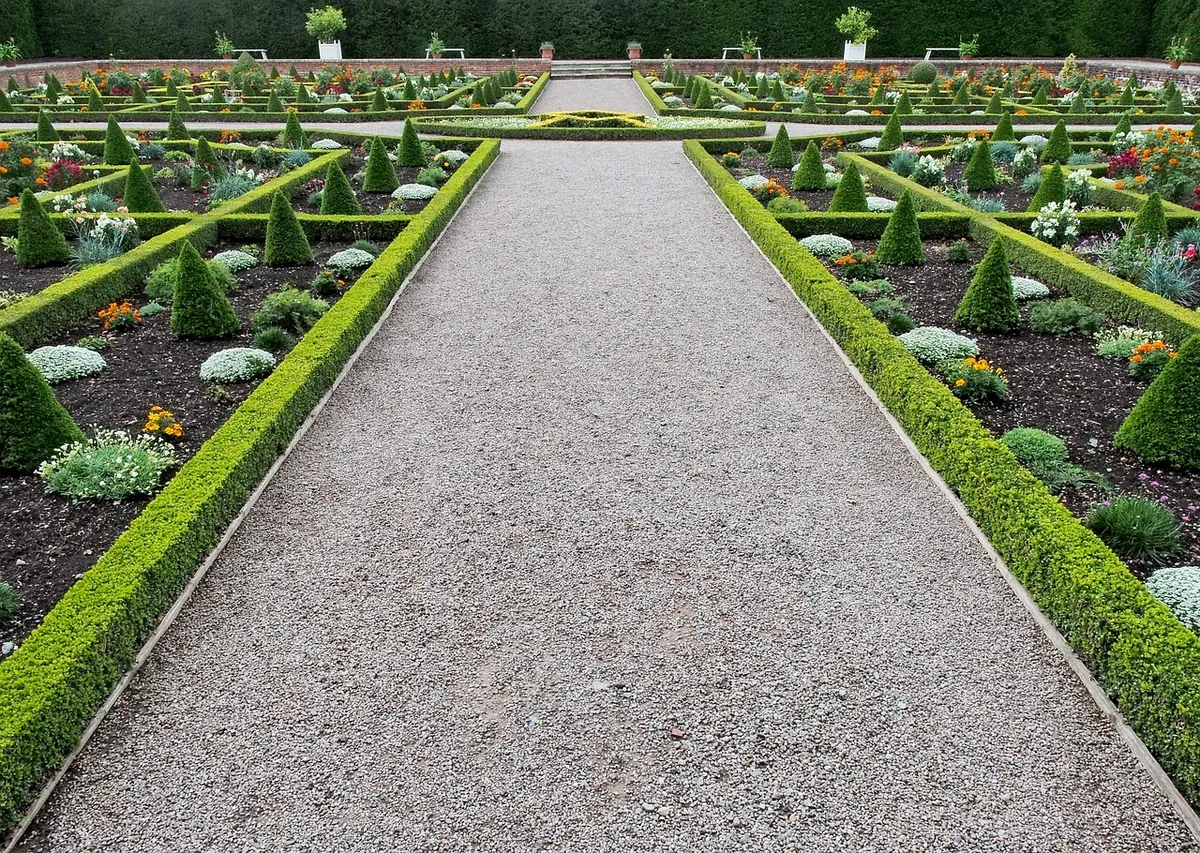
A practical guide to digging, edging and compacting a durable gravel path and seating pad around a garden bench,...
Yellow leaves, soggy compost and straggly growth usually trace back to a handful of container-care mistakes. Here's...
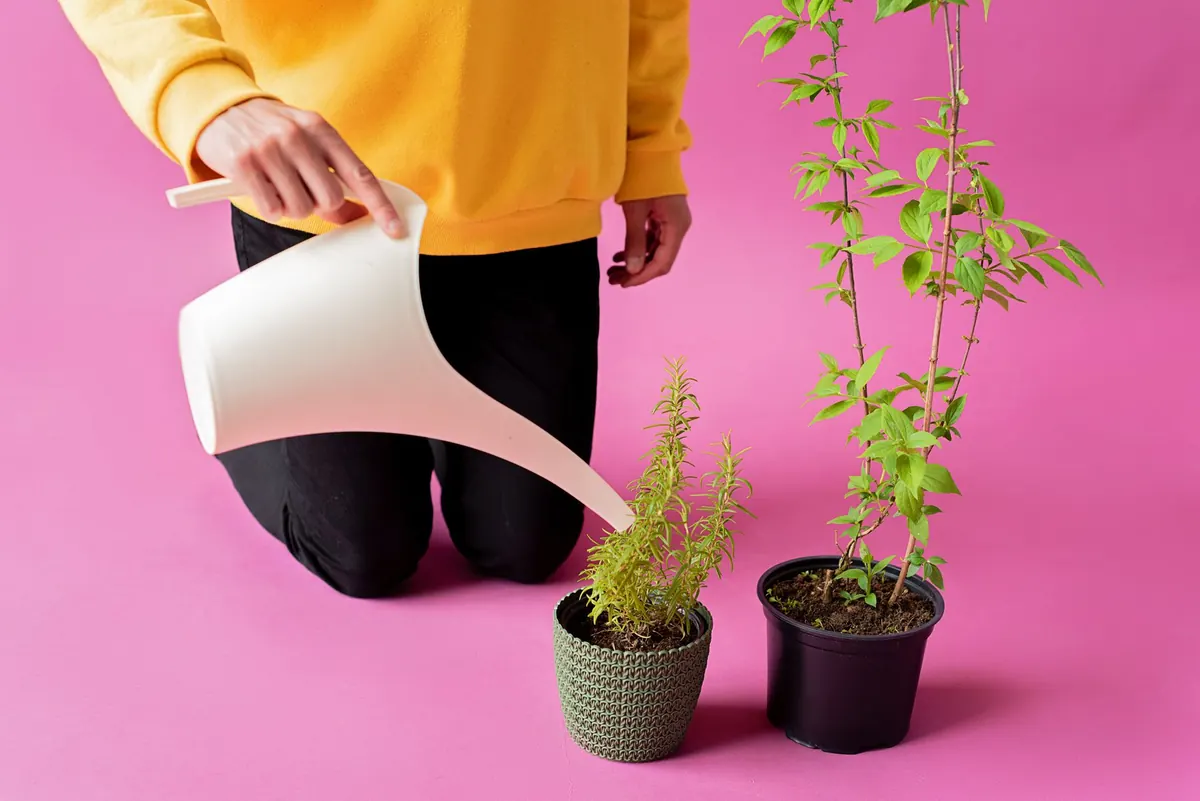
Overwatering and drought both damage herbs, but the fix is the same: check soil moisture before you water, then...

Gardening wisdom for your outdoor space..
