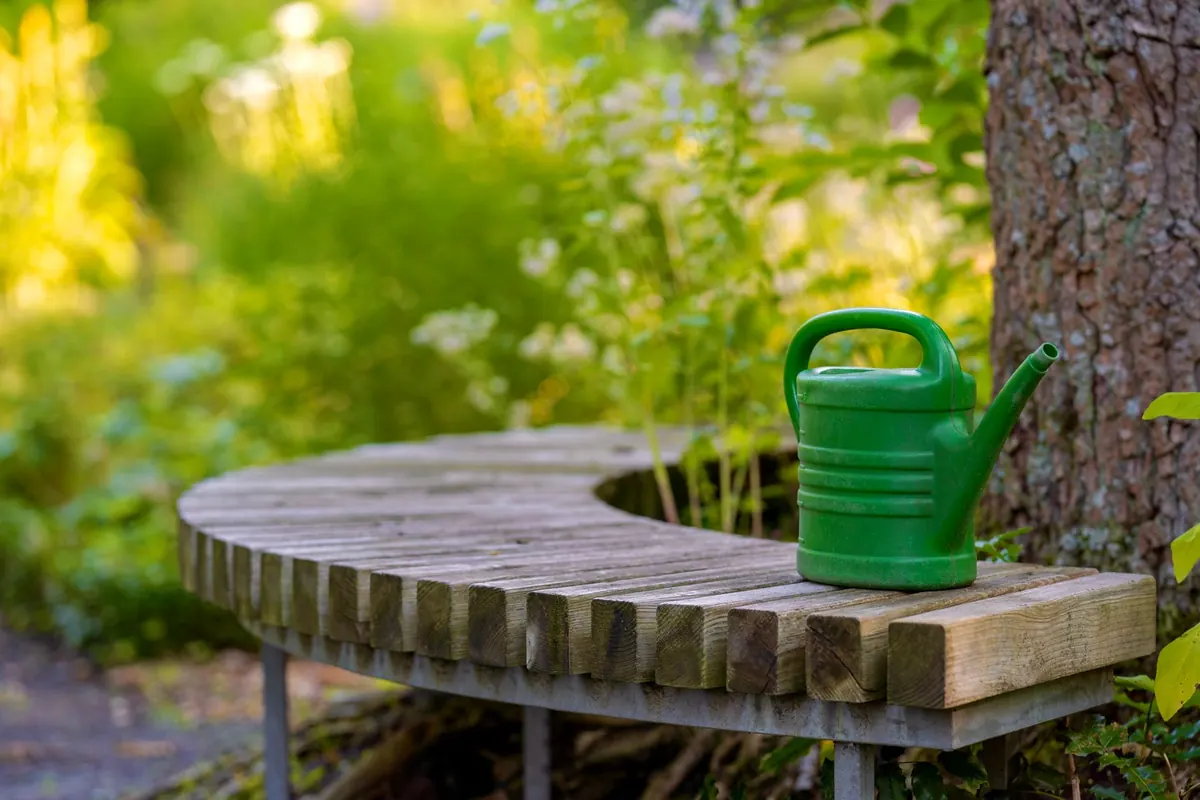
A garden bench earns its place differently from most things you buy for outside. A planter is looked at; a bench is sat on, leaned on, and left out in whatever the weather decides to do. That is why the material matters at least as much as the shape. Two benches can look almost identical in a catalogue and be completely different propositions five years later — one quietly weathering into something better, the other wobbly, faded and quietly rotting at the joints.
Here is a straight comparison of the four materials you will meet most often, and what each one actually asks of you.
Teak has the reputation it has for good reason. The timber is dense, naturally oily and high in silica, which makes it resistant to rot, insects and the freeze-thaw cycle without any chemical treatment. Leave it alone and it turns a soft silver-grey within a season or two, with the grain staying smooth. A bench made from generous sections of good teak will sit outside for decades.
The catch is cost, which is high, and provenance. If that matters to you, look for timber carrying Forest Stewardship Council (FSC) certification. A word on looking after it: oiling is a cosmetic choice, not a structural one, and many makers suggest skipping it entirely. If you do want the honey colour back, clean the bench first and apply teak oil sparingly once a year. Never power-wash teak — it raises the grain and leaves the surface rougher than it was.
Oak is the traditional British choice, and a well-made oak bench is a lovely thing. Buy European oak or American white oak, and make sure the maker uses heartwood rather than sapwood, which is far less durable. Oak contains tannins that corrode ordinary steel and galvanised fixings, turning the timber black around every screw. Insist on stainless steel fixings, ideally A2 or A4 grade.
Left untreated, oak silvers much like teak but less evenly, and you may notice small surface splits at the ends of the slats. These are usually cosmetic. Upkeep is the real difference: plan on oiling once a year for the first few years, then every year or two. Keep the feet out of damp soil — set the bench on paving or gravel, not sunk into a border — because oak in permanent contact with wet ground will eventually rot. And accept that it is heavy. That is a nuisance when you want to move it and a genuine advantage when the wind picks up.
Aluminium will not rust, and it is light enough to shift one-handed, which is why so many small balconies and courtyards end up with an aluminium bench. The weakness follows from the strength: lightweight benches can lift in a gale, so consider where you site one. Check the quality of the powder coating, since chips look untidy — though bare aluminium forms a dull oxide layer rather than flaking rust, so a chip is not the emergency it would be on steel.
Steel gives you far more strength for a given thickness, which is why metal benches have those slim arms and fine slats that suit a tight space so well. The trade-off is coating. Once paint or powder coat is chipped, rust starts and creeps underneath, lifting more coating as it goes. Expect to rub down and repaint every few years. Metal also holds temperature: cold and clammy in winter, genuinely unpleasant in full sun in July unless you add cushions.
A metal frame with timber slats is often the sweet spot — the rigidity of steel, the comfort of wood under you, and less timber to maintain than an all-wood bench. Check that the fixings are stainless and that water cannot pool where the slats meet the frame.
The cheap hollow moulded benches sold in every garden centre are light, inexpensive and short-lived. UV light makes them fade and then go brittle, and they blow over easily, which can damage the bench or something nearby.
Recycled plastic — often sold as poly lumber or recycled HDPE — is a different proposition altogether. It is dense and heavy, never rots, never needs painting, shrugs off frost, and can be cleaned with a bucket of soapy water. It is usually the priciest of the maintenance-free options and it does look like plastic close up: no grain, uniform colour. Long unsupported spans can sag, so favour designs with a mid-rail or a supporting frame, and treat the length of the manufacturer's warranty as a fair signal of how much confidence they have in the material.
Before you commit, do these things in order:
If you want the bench to be a piece of furniture you care about, and you will look after it, choose oak or teak. If you want to sit down with a cup of tea and think about it no further, teak or recycled plastic. If space is tight and the bench lives on paving, metal will serve you well. And if money is tight, a modest plastic bench is not a mistake — just do not expect it to be the last one you buy.
Photo: Mariya Muschard / Pexels
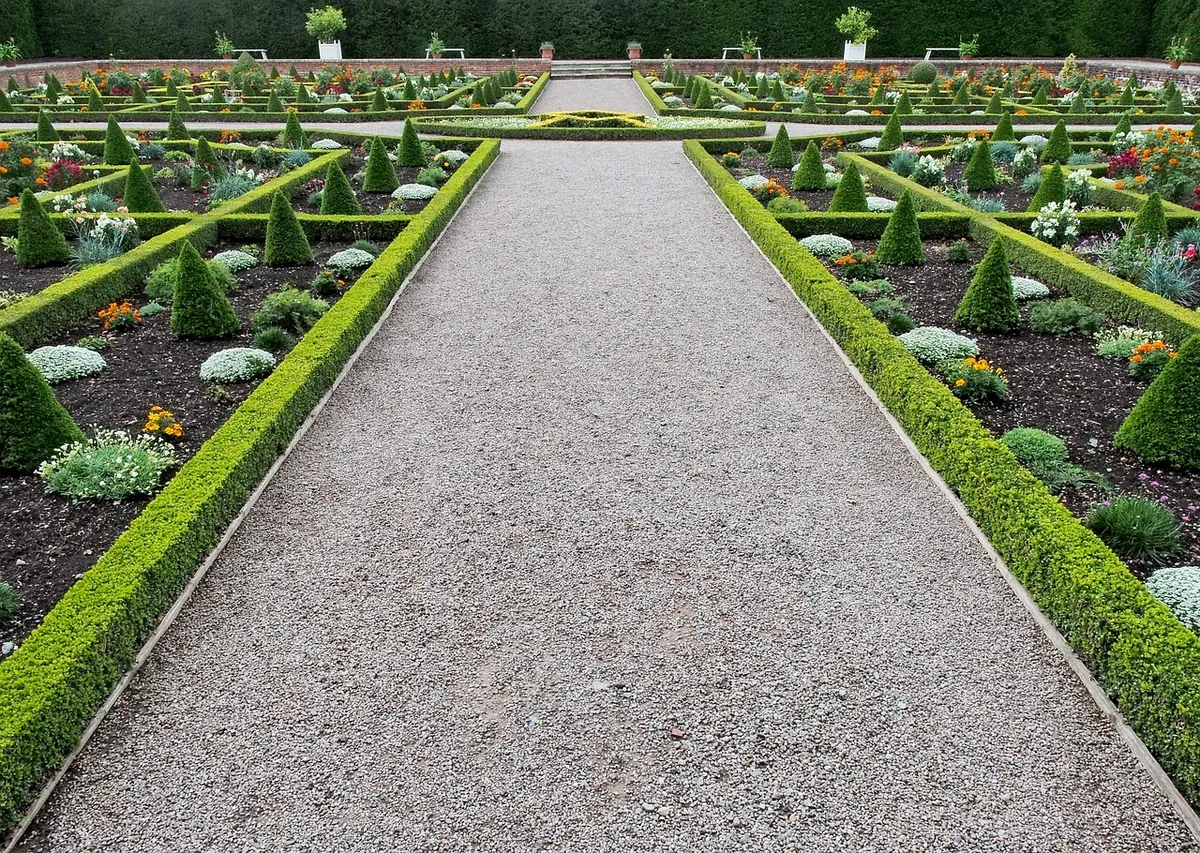
A practical guide to digging, edging and compacting a durable gravel path and seating pad around a garden bench,...
Practical ways to cut the workload in a small British garden, from gravel and raised beds to evergreen structure,...

Yellow leaves, soggy compost and straggly growth usually trace back to a handful of container-care mistakes. Here's...

Gardening wisdom for your outdoor space..
