
The first mild afternoon of the year catches everyone out. You carry a mug of tea to the bench at the end of the garden, lift the cover, and find a winter's worth of algae, a wobbly arm and a cushion that has quietly gone mouldy under a tarpaulin. None of it is a disaster, and none of it takes long to put right — but it is far easier as a series of small jobs spread across three or four months than as one frantic Saturday in May. Here is a sensible order of play.
Before you buy a single bag of compost, walk the garden with a notebook and a bin bag. Winter leaves a particular kind of mess behind: soggy leaf drifts in corners, moss creeping over north-facing paving, silt in a drain channel, a gate that has dropped on its hinges. Clear the obvious rubbish first, then look at what was hiding underneath it.
Check the fixed things that are easy to forget — the outside tap and its pipework, water butt taps and downpipe diverters, the gutter above the patio, the fixings on any fence panel that took a battering. Cold weather exposes weak points, so a wobbling post or a cracked slab is worth noting now, while there is time to sort it properly. Order replacement boards, slabs, gravel or sand before spring stock starts moving.
One caution: don't jet-wash hard surfaces in freezing weather, and keep off wet soil and frozen grass. You will do more damage than the moss did.
By March the hard surfaces are usually dry enough to work on, and they have taken the worst of the winter. This is the month to deal with them.
A pressure washer speeds the work up but it is unforgiving. Keep the nozzle moving, hold it back from mortar and pointing, and avoid blasting old or soft timber, which lifts the grain and leaves a fuzzy surface. On block paving, work at a shallow angle and expect to re-sand the joints afterwards, brushing kiln-dried sand in on a dry day.
Walk the decking rather than just looking at it. Step on every board, look for movement, and press a screwdriver into any dark patch — if it sinks in easily, the timber has gone and the board or the joist beneath it needs replacing. Clean the deck, let it dry completely, then oil or stain it when a dry day is forecast. A coat applied over damp timber is money wasted.
Now the garden gets comfortable again. Pull the furniture out and give it an honest look.
Split cushions, snapped cords and missing feet are usually cheap to replace. If a frame is structurally unsound, though, get a professional opinion rather than trusting it with a guest's weight.
The bones are clean and the furniture is sound, so the last job is making the space somewhere people actually want to sit.
Think about the walk from the back door: is the path clear, is the step safe, is there somewhere to put a drink down? Move the table to wherever it catches the most evening sun, and arrange seating for conversation rather than lining it up against the fence. A small, tucked-away corner with two chairs often gets more use than a large set stranded in the middle of the lawn. Plant something close enough to smell — herbs by the door, jasmine or honeysuckle on a fence, lavender along the edge of the patio — and keep a basket of throws within reach, because May evenings cool quickly.
Lighting makes more difference than almost anything else, and it is worth doing properly. Solar and rechargeable lights need no wiring, and festoon sets should be rated for outdoor use and plugged into an RCD-protected circuit. Anything involving permanently run cable or a new socket on an outside wall is a job for a qualified electrician.
If a barbecue is part of the plan, clean the grill and the inside of the lid, check gas hoses for cracks and perishing, and if any connection seems doubtful, have it checked rather than testing it with a lit match.
Most of this is already in the shed. Gather it in one place and the jobs go twice as quickly.
Not everyone wants a three-month project. If you have a Saturday morning and a Sunday afternoon, do four things and stop: clear and sweep every hard surface, pull the weeds from the joints, wash and dry the furniture and cushions, and check the fixings on anything that holds weight.
That is the difference between a garden that looks neglected and one that is ready for the first warm evening. The planting can wait — it always can — but a clean path, a solid bench and a table you can put a glass on will get you outside weeks earlier.
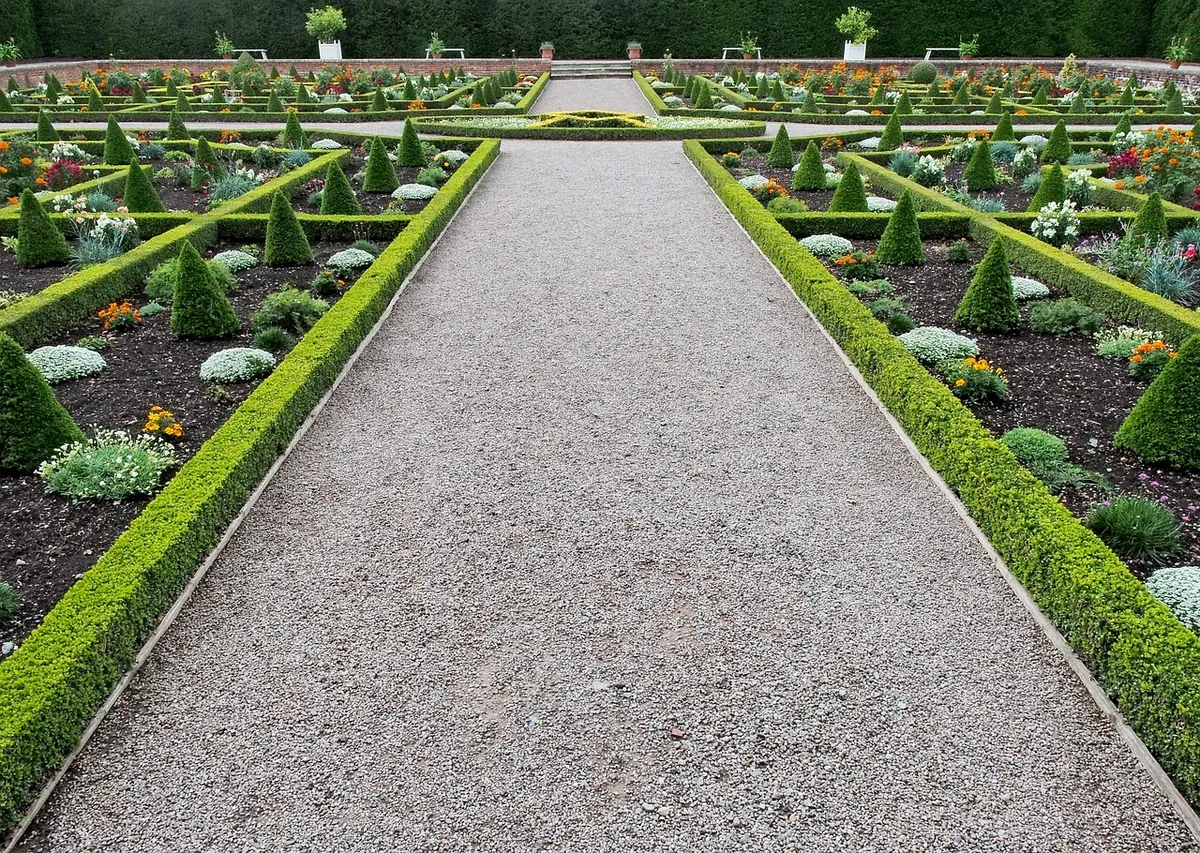
Photo: 12019 / Pixabay
A practical guide to digging, edging and compacting a durable gravel path and seating pad around a garden bench,...

Practical ways to cut the workload in a small British garden, from gravel and raised beds to evergreen structure,...

Yellow leaves, soggy compost and straggly growth usually trace back to a handful of container-care mistakes. Here's...


Gardening wisdom for your outdoor space..
